Given the recent cyber attacks which targeted Irish Credit Unions, Irish companies should be asking themselves how they meet EU requirements. In fact, that same question was asked over two years ago, when RTE reported on progress of transposing the NIS2 (Network and Information and Security Directive) source.
At that time the article mentioned the date of 17 October 2024 as the date for the EU directive to be transposed into Irish law. That date has come and gone. The direct consequence for the Irish government is that they were referred to the European Court of Justice on the matter.
The consequence for Irish businesses is that they delayed taking it seriously and focused on other things. At present the directive remains somewhat in limbo, with no firm date given on when it will be enacted.
The lack of progress in transposing the directive has removed pressure for companies to have to act. As a result, while they aware of the cyber attack risks, their boards may not be taking practical steps to do anything about it. This is being left to IT Teams, even though it will be the board directors who would ultimately be held accountable (with fines of up to 2% of global turnover) for non-compliance.
Even the best run companies may not have reviewed or renewed their cyber security policies in a long time. Or they may be putting their system at risk by relying on many external administrators with full access rights that they do not need. Whatever the situation, company leaders need to take this thing more seriously.
The challenge is broadly knowing where to start and what to do first. This is where the Cyber Fundamental Framework 2025 (CyFun2025) can help. It was created to match international standards like the NIS2 Directive. It includes best practices approaches to cybersecurity. The framework has been formally adopted by Ireland, but the implementation has been slow. In short companies may be aware but few have begun.
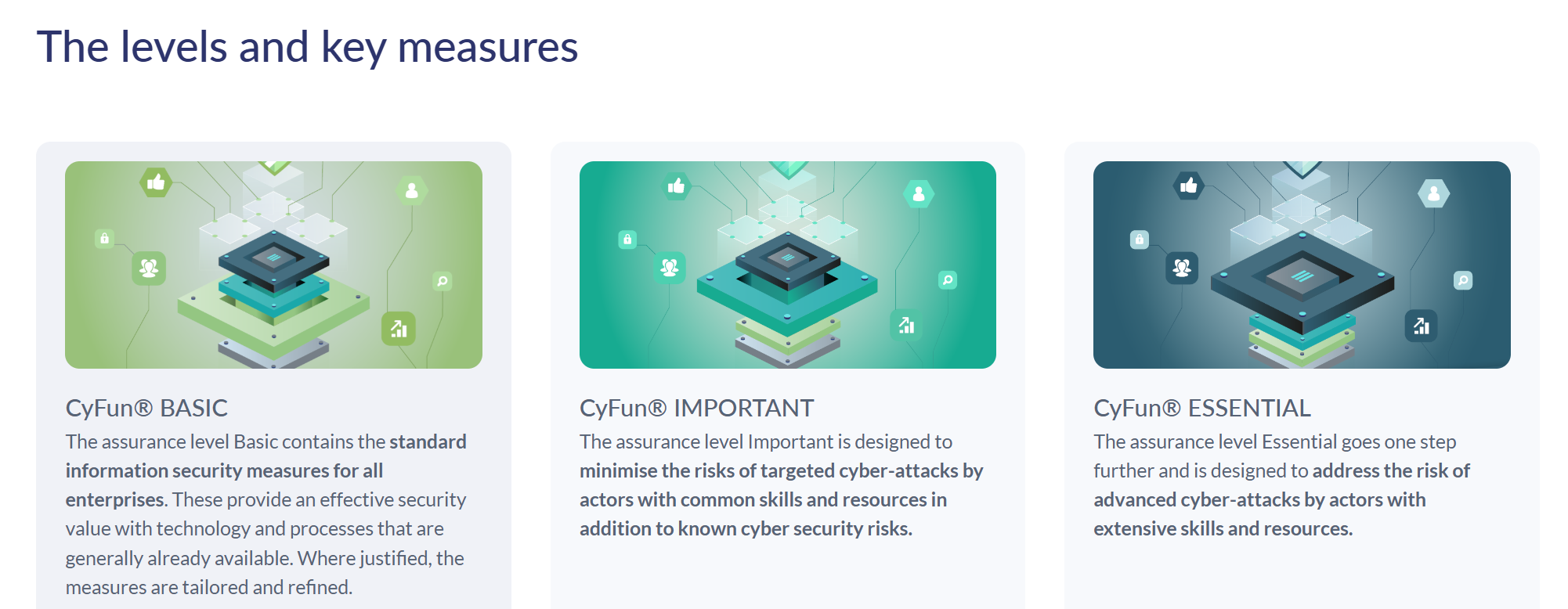
This is an unnecessary risk, as starting now before a deadline is provided is the recommended approach. The Framework has 3 levels based on the size of the organization basic, Important and Essential. Each level has requirements that need to be in place to achieve compliance.
Now is the time for companies to start reviewing their current cyber security position and what they need to improve. The framework gives them an excellent starting point.
Completing it will give companies an idea of where their current risks are and how to close them. If you run a business in Ireland that has valuable technical real estate to protect, then you should start looking at it. If you need help getting started, I can offer an assessment service tailored for your organisation. Get in touch today to start.
